Sanjoy Chattopadhyay Assistant Professor · CSE · PSIT Kanpur
Assistant Professor Researcher Builder

Department of Computer Science & Engineering · PSIT Kanpur

Teaching systems that think, learn, and ship.

AI / ML · Agent Systems · Blockchain · Mentoring CS students

I teach the engineering behind real AI systems — from clean data structures up to multi-agent workflows. Outside the classroom I build, research, and help students turn course ideas into working software they can show.

01 About

Education

2024 — 2026

M.Tech in Computer Science & Engineering

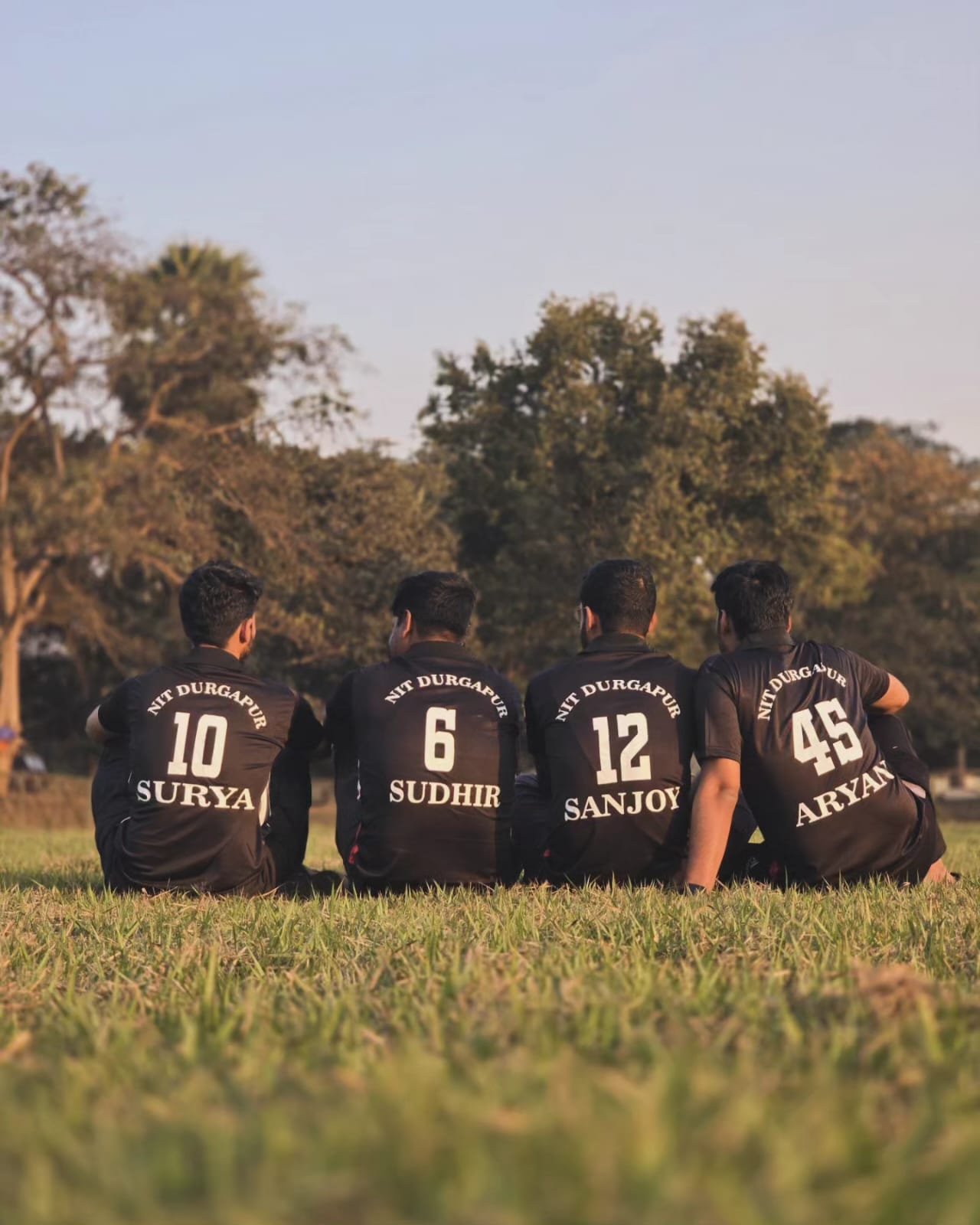
National Institute of Technology, Durgapur

CGPA: 9.0
2018 — 2022

B.Tech in Computer Science & Engineering

Birbhum Institute of Engineering & Technology, West Bengal

CGPA: 9.32
2018

12th Standard

West Bengal Board of Secondary Education

86%
2016

10th Standard

West Bengal Board of Secondary Education

91.4%

Experience

Jul 2026 — Present

Lead Engineer, SRM Eco-Tech

Leading engineering at SRM Eco-Tech, Delhi — owning system design and delivery, and driving the technology behind the product from architecture to production.

Current role
2026

Assistant Professor, CSE

Pranveer Singh Institute of Technology (PSIT), Kanpur. Taught core CS and applied AI to undergraduate students, advised projects, and built a small research stream around agent systems and ML for real-world problems.

Academia
Jul 2025 — May 2026

Training & Placement Representative, NIT Durgapur

Represented the institute in training and placements — coordinating between companies, students, and the department while completing my M.Tech on campus.

Campus leadership
May 2025 — Feb 2026

Technical Engineer Intern, Indian Army

Built the Mission Capable Vehicle Prediction System at Panagarh Military Station — predictive maintenance around military vehicle health, analytics, and field-ready dashboards.

Defence tech
Jan 2025 — May 2025

Research Intern, IIT Kharagpur

Cryptography and blockchain research (remote) — privacy-preserving verification groundwork that now feeds my ZK-proof and knowledge-graph work.

Research
Jul 2022 — Dec 2023

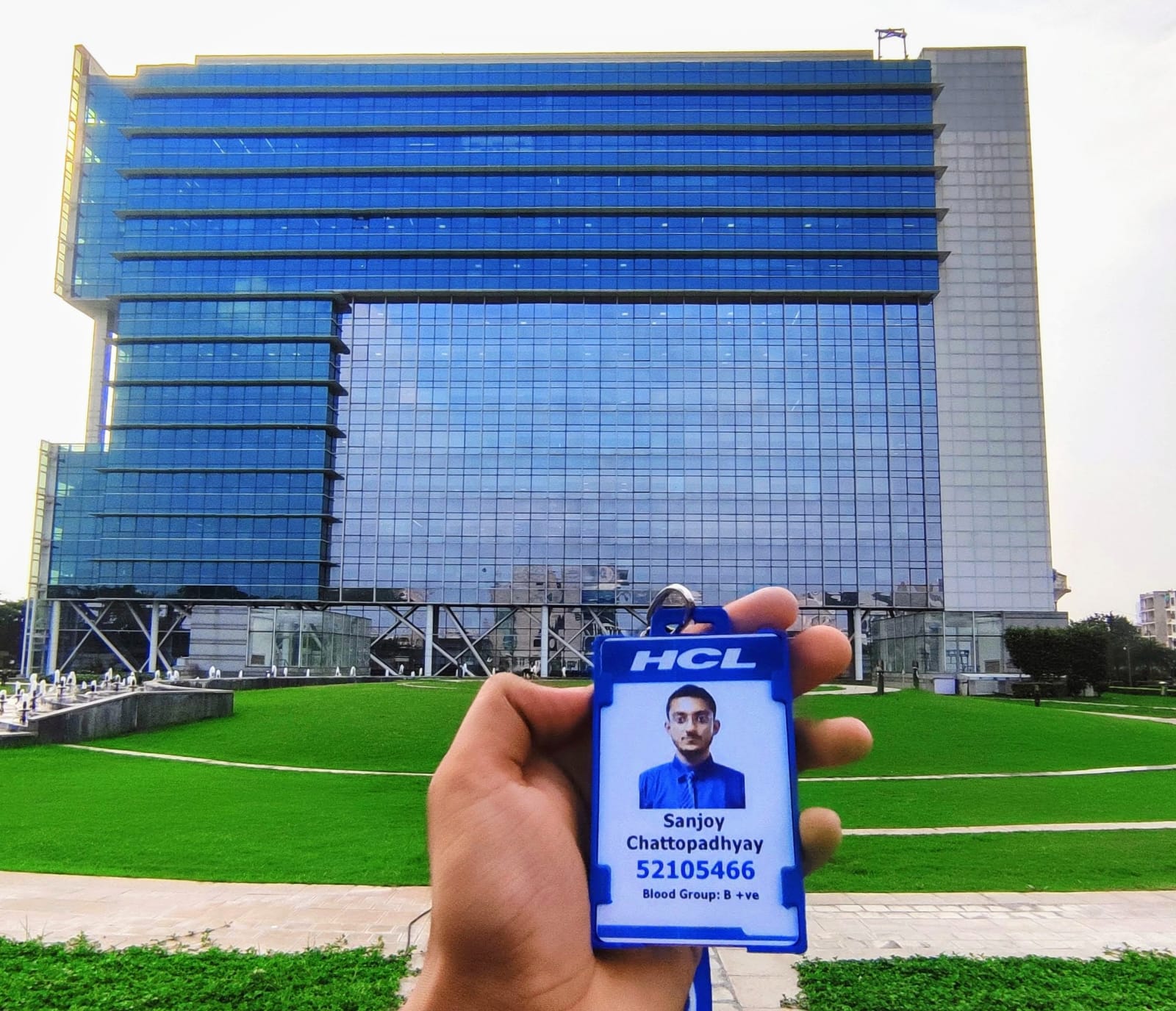
SDE & SDET, HCLTech

Backend systems, enterprise workflows, microservices, and test engineering at Noida — the kind of production work that quietly teaches you what real engineering feels like.

Industry

Recognitions & Milestones

  • GATE 2024 (CS) — 97.18 percentile, the gateway that opened higher studies and research.
  • Indian Army Innovation Contest 2025 — reached the Top 20 nationally for the Army Medical RAG Chatbot.
  • Ex-SDE, HCLTech — 2+ years across backend, enterprise systems, and production engineering.
  • 67+ Open Source Projects — an active GitHub presence across AI, blockchain, and full-stack work.
  • Published Author — GeeksforGeeks articles on data structures and algorithms used by learners across India.
  • Problem Solving — consistent practice across LeetCode and CodeChef while preparing students for the same.

Tech Stack

Languages

PythonJavaScriptJavaC++SolidityCSQL

AI / ML

LangChainLangGraphMCP AgentsRAGFAISSOpenAIGroqCNNVision Transformers

Backend & Frontend

FastAPINode.jsExpressReactStreamlitSpring BootServlets/JSP

Blockchain

EthereumSolidityZK ProofsSmart ContractsERC-20/721/1155

Databases & Tools

MongoDBSQLiteSQL ServerGitDockerRenderGitHub Pages

02 Teaching & Research

What I teach, what I work on, and how my classroom connects to real software engineering.

CS · Core

Data Structures & Algorithms

From arrays and recursion to graphs, dynamic programming, and complexity analysis. Taught with a practical, interview-aware lens so students leave with working intuition, not just theory.

  • Pattern-based problem solving
  • Time & space complexity reasoning
  • From brute force to optimal, step by step

CS · Applied AI

Machine Learning & AI

Classical ML through modern LLMs and agent systems. Students build, evaluate, and ship small AI systems instead of just running notebooks. Strong emphasis on the engineering around the model.

  • Supervised, unsupervised & deep learning fundamentals
  • Transformers, RAG, and LangChain / LangGraph agents
  • Evaluation, reliability, and responsible AI

Research Interests

AI Agents & LLM Systems

Designing multi-agent workflows with memory, tool use, and evaluation — moving LLMs from demos to dependable systems.

Applied Machine Learning

Predictive analytics, computer vision, and grounded retrieval-augmented systems for real-world domains.

Blockchain & ZK Verification

Privacy-preserving verification using zero-knowledge proofs over knowledge graphs and on-chain inheritance systems.

Student Research Projects

Mentoring undergraduates from idea to deployable artifact — the kind of work that builds confidence and a portfolio.

How I Work With Students

01

Start with a real problem

We pick something you actually want to solve, not a textbook clone. The friction makes the learning stick.

02

Build the smallest version

A working v1 in days, not weeks. Get to running code first — the architecture conversation happens after.

03

Iterate with measurements

Define one metric. Measure it weekly. Decisions become data-driven instead of opinion-driven.

04

Ship and explain it

Deploy it, write the README, present it. The students who can explain their work clearly are the ones who get hired.

03 Projects

Built from real-world problems. Click any project for full details.

04 For Students

Notes, guides, and curated resources I share with my students — from solving real problems to working with modern AI agents.

05 Books I Recommend

The books that have shaped how I teach, think, and build.

06 Interview Journeys

A memory-based snapshot of the rounds I cleared, the DSA themes I handled, and the habits that kept saving me.

The pattern that helped me most was simple: explain the brute-force idea first, improve it calmly, test edge cases out loud, and never let panic write the final answer.

TCS

Selected

TCS rounds felt like a test of clean basics. The trick was not doing magic, just being reliable under pressure.

DSA Themes I Tackled

  • Array traversal, sorting logic, and string processing
  • Binary search style thinking when constraints got tighter
  • Edge-case handling without overcomplicating the code

How I Cracked It

  • Kept solutions readable and explained every optimization step
  • Spoke through test cases before finalizing the answer
  • Focused on correctness first, polish second

Wipro

Selected

Wipro felt like one of those rounds where consistency mattered more than trying to look brilliant.

DSA Themes I Tackled

  • Linked list and stack-based problem patterns
  • String transformations and logic-heavy dry runs
  • Time-complexity discussion after the first solution

How I Cracked It

  • Started with the simplest valid solution and improved from there
  • Used examples while explaining so the interviewer could follow the flow
  • Stayed calm when asked to optimize on the spot

Intel

DSA ✓ Technical ✓ HR ✗

The technical rounds went well — bit manipulation, recursion, complexity tradeoffs. Made it through to HR and didn't make it past. A reminder that how you present yourself matters just as much as how you code.

What I Cleared

  • DSA: bit manipulation, recursion, and graph-style reasoning
  • Technical: depth questions on code correctness and space optimization
  • Explained tradeoffs clearly — reached the HR stage

What I Learned From the Loss

  • Technical excellence alone does not close the loop — fit and communication do
  • HR rounds at product companies are structured evaluations, not small talk
  • I made storytelling and self-presentation a serious part of prep after this

Tech Mahindra

Selected

This one rewarded practical thinking. Clean fundamentals and a calm walkthrough did most of the heavy lifting.

DSA Themes I Tackled

  • Hashing, matrix traversal, and greedy-style choices
  • String manipulation with corner cases
  • Simple logic done correctly and efficiently

How I Cracked It

  • Did not jump to fancy solutions where simple ones worked
  • Verified every answer with small sample inputs
  • Kept the communication structured and grounded

HCLTech

Selected

HCLTech was where preparation met opportunity. It was one of the first times I felt interview practice turning into something real.

DSA Themes I Tackled

  • Arrays, trees, and recursion with implementation clarity
  • Problem-solving mixed with Java and backend discussions
  • SQL and system thinking alongside coding fundamentals

How I Cracked It

  • Balanced coding answers with practical backend understanding
  • Explained not just what the code did, but where it would be useful
  • Stayed honest when I needed a second to think

Indian Army

Selected

This experience felt different. It was less about textbook answers and more about whether my thinking could solve something meaningful.

Technical Themes I Tackled

  • Data reasoning, predictive logic, and system usefulness
  • Structuring information clearly for high-stakes use cases
  • Problem-solving under practical constraints, not just coding theory

How I Cracked It

  • Focused on impact, clarity, and real deployment value
  • Explained technical ideas in a grounded, usable way
  • Made the solution feel relevant to the actual problem, not just technically correct

PwC

Selected

PwC tested whether I could think like an engineer and explain like a consultant. Clean logic mattered, but so did making the solution easy to follow.

Themes I Tackled

  • Array and hashing problems with a focus on clean implementation
  • SQL and data-handling questions tied to realistic scenarios
  • Case-style discussion on applying technology to a business problem

How I Cracked It

  • Structured every answer — problem, approach, tradeoffs, result
  • Kept the code simple and narrated the reasoning while writing it
  • Connected technical choices back to the business impact

Databricks

Selected

The bar here was depth. Every question kept going one level further — not just how it works, but why, and what breaks at scale.

DSA Themes I Tackled

  • Heaps, hash maps, and partitioning-style problems
  • Reasoning about large inputs — memory, distribution, and complexity
  • Follow-ups that pushed a working solution toward an optimal one

How I Cracked It

  • Talked about scale explicitly instead of waiting to be asked
  • Covered edge cases and failure modes before declaring done
  • Stayed honest about tradeoffs instead of overselling one approach

TCS Prime

Selected

The Prime track raises the bar over the standard TCS rounds — tighter time limits, harder coding sections, and deeper follow-up questions.

DSA Themes I Tackled

  • Advanced aptitude plus coding rounds under strict time pressure
  • String manipulation, greedy choices, and light dynamic programming
  • Optimization follow-ups after the first accepted solution

How I Cracked It

  • Managed the clock — locked in a working solution before polishing
  • Moved from brute force to optimal out loud, step by step
  • Verified answers with small sample inputs before submitting

TimePay

DSA ✓ Technical ✓ HR ✗

Made it through every technical round — DSA, coding, and system questions. The HR round was where it ended. Taught me that technical skill alone is not the whole game.

What I Cleared

  • DSA round: array manipulation, searching, and optimization problems
  • Technical interview: core CS fundamentals and practical problem-solving
  • Reached the final HR evaluation stage

What I Learned From the Loss

  • HR rounds test communication, fit, and story — not just skill
  • Prepare your narrative as seriously as your algorithms
  • Every door that closes is a calibration, not a verdict

Oracle

DSA ✓ DBMS Admin ✗

Cleared the DSA round confidently. The DBMS Administration round went deeper than I was prepared for — it was a valuable lesson in knowing the full stack of what you claim to know.

What I Cleared

  • DSA round: data structures, complexity analysis, and pattern-based problems
  • Demonstrated strong algorithm thinking and code clarity

What I Learned From the Loss

  • Oracle-level DBMS goes far beyond queries — indexing, locking, and administration
  • Depth matters as much as breadth when the role is data-heavy
  • I went back and rebuilt my DBMS foundations from the ground up after this

08 Connect

Open to research collaborations, student mentoring, talks, and applied AI projects.